 Merken
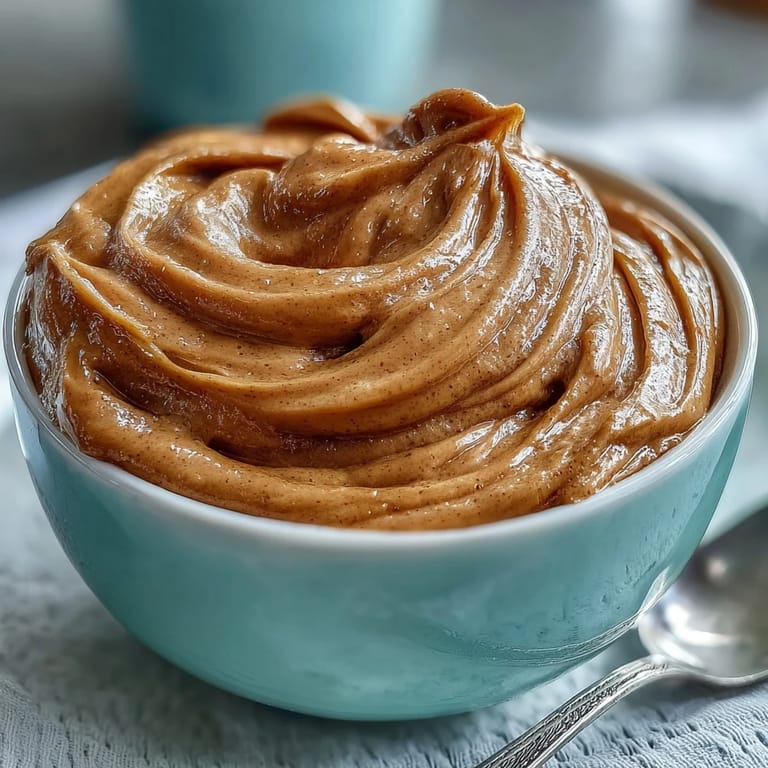
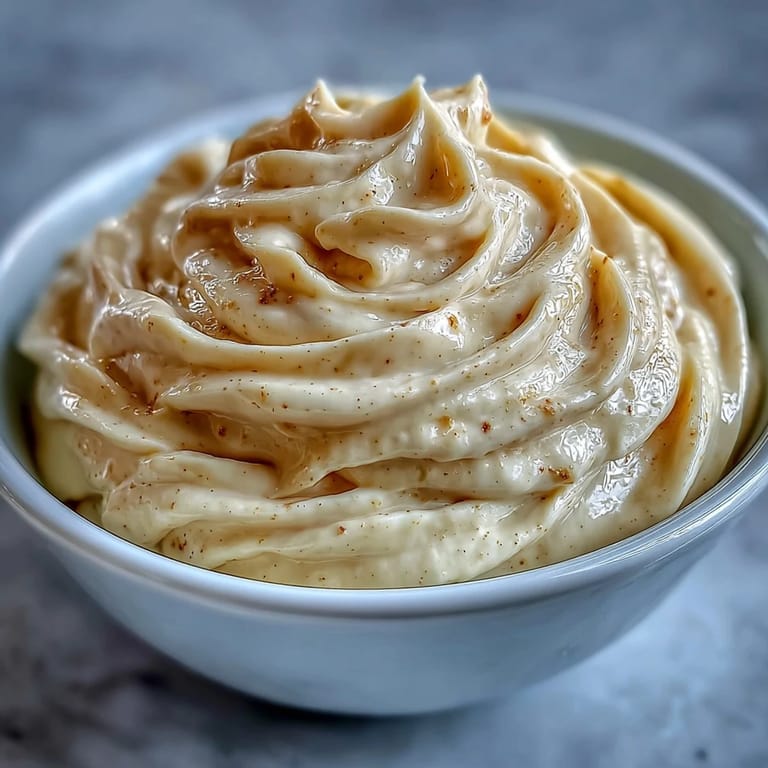
 Hojicha pastry cream arrived in my kitchen on a peculiar afternoon when I was hunting through a specialty tea shop and caught the aroma of roasted leaves—toasty, almost coffee-like, but unmistakably tea. The shopkeeper mentioned it paired beautifully with French pastry, and something clicked. I went home and spent two hours experimenting with infusing this gentle, nutty tea into crème pâtissière, and the result was so silky and unexpectedly refined that I've been filling cream puffs with it ever since.
My neighbor asked what smelled so good one Saturday morning, and when I brought her two warm cream puffs filled with this custard, she actually closed her eyes while eating. She'd never had hojicha before, and watching her discover that toasted, almost savory depth in a dessert filling was one of those quiet moments that made me realize food creates small bridges between people.
Ingredients
- Whole milk (2 cups): This is your canvas for the hojicha tea, so use fresh, quality milk—it makes a noticeable difference in how smoothly the custard sets.
- Hojicha loose leaf tea or bags (3 tablespoons): The star ingredient; its gentle roast brings nuttiness without bitterness, though steeping time matters tremendously.
- Unsalted butter (3 tablespoons): Added at the end to give the cream luxurious richness and help it hold its shape during piping.
- Large egg yolks (4): These create the custard's silky body, so room-temperature eggs whisk in faster and incorporate more evenly.
- Granulated sugar (1/2 cup): Sweetens without overpowering the tea's delicate character.
- Cornstarch (3 tablespoons): The thickening agent that prevents the pastry cream from being runny or, worse, curdling—don't skip sifting it.
- Vanilla extract (1/2 teaspoon): A whisper of vanilla bridges the tea and custard flavors without demanding attention.
- Salt (pinch): Amplifies the hojicha's toasted notes and balances sweetness.
Tired of Takeout? 🥡
Get 10 meals you can make faster than delivery arrives. Seriously.
One email. No spam. Unsubscribe anytime.
Instructions
- Warm the milk and invite the hojicha in:
- Pour milk into a medium saucepan and heat over medium until steam rises gently from the surface—you'll see small wisps, but no rolling boil. Add the hojicha, remove from heat immediately, cover, and let it steep undisturbed for exactly 10 minutes so the tea releases its toasted, mellow essence without turning bitter.
- Capture every drop of flavor:
- Pour the steeped milk through a fine mesh sieve, using the back of a spoon to gently press the soggy tea leaves and coax out their liquid gold. Discard the leaves and return that beautiful hojicha-infused milk to your workspace.
- Build your custard foundation:
- In a mixing bowl, whisk the egg yolks with sugar until pale and thick enough that the whisk leaves a trail for a moment. Add cornstarch and salt, whisking until the mixture is absolutely smooth with no flour-like grittiness hiding in the corners.
- Temper the eggs with patience:
- Here's where most people rush and regret it: pour the warm hojicha milk into the yolk mixture in a slow, steady stream while whisking constantly. This gradual addition raises the egg temperature gently so they cook evenly rather than scrambling into sweet, grainy scrambled eggs.
- Cook to silky perfection:
- Return everything to the saucepan over medium heat and whisk constantly, scraping the bottom and corners where the cream likes to thicken fastest. After about 2 to 3 minutes, you'll feel the whisk meet slight resistance, and you'll see small bubbles breaking the surface—that's your signal to stop.
- Finish with richness and flavor:
- Remove from heat and immediately whisk in the butter and vanilla, letting them melt into the hot custard until everything is glossy and smooth. The butter adds refinement while vanilla whispers in the background, ensuring the hojicha flavor remains the star.
- Protect and chill:
- Pour the cream into a clean bowl and press plastic wrap directly onto its surface, letting no air touch it—this prevents that unwelcome skin from forming. Refrigerate for at least 1 hour until completely cool and set, though overnight chilling actually deepens the hojicha's flavor.
- Prepare for its moment:
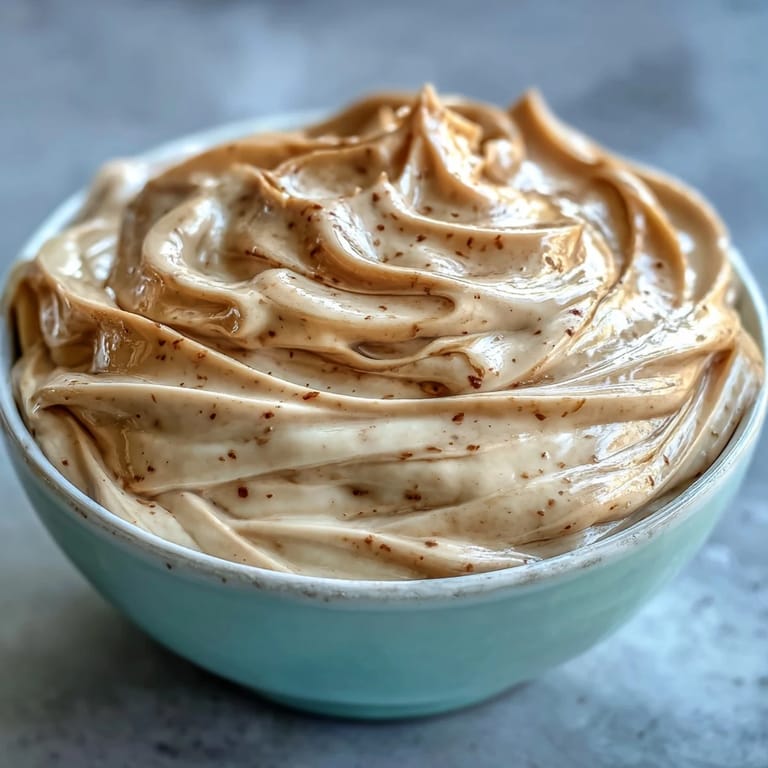
- Before using, whisk the chilled cream briefly to restore its piping consistency and ensure it's smooth enough to work with. If it feels too stiff, a few whisks will wake it up without overworking it.
 Merken
 I brought a batch to my daughter's school bake sale years ago, and a teacher came back asking if I'd consider teaching a quick workshop on French pastry. That one container of hojicha cream puffs sparked a whole afternoon of parents asking for recipes, sharing tea preferences, and planning a little potluck—food has this quiet power to do more than nourish.
When to Use This Silky Custard
This pastry cream is endlessly versatile once you've made it. Beyond the obvious cream puffs and éclairs, it layers beautifully in cakes, fills croissants with elegant subtlety, or tops fresh fruit tarts where its roasted notes complement berries or stone fruit. I've even dolloped it onto warm crepes with nothing but a sprinkle of powdered sugar, and that simplicity let the hojicha shine.
Making It Your Own
The beauty of hojicha is that it sits in the middle of the flavor spectrum—not as intense as matcha, not as delicate as sencha. You can lean into that by pairing it with complementary elements: a dark chocolate éclair with hojicha cream inside creates a sophisticated bitter-nutty dialogue, while pairing it with lightly sweetened white chocolate creates something almost dreamy. Some afternoons I've whisked a tablespoon of hojicha powder directly into the finished cream for an even more pronounced flavor, which works especially well if you're making a filling for a simple butter cake.
Storage and Make-Ahead Magic
This cream keeps in the refrigerator for up to three days when stored in an airtight container, which means you can make it on a quiet evening and build your pastries the next morning without any morning-of stress. The flavor actually deepens as it sits, so don't hesitate to make it a day ahead—the hojicha becomes even more pronounced and mellow, almost like the tea's essence has had time to fully settle into the custard.
- For a lighter, more cloud-like texture, fold in softly whipped cream just before using—it adds airiness without losing that hojicha character.
- If hojicha powder is all you have on hand, whisk 2 teaspoons directly into the warm milk instead of steeping leaves, and you'll get a more concentrated flavor.
- A pinch of matcha powder whisked in at the very end creates an unexpected flavor layering that guests will try to identify but never quite name.
 Merken
 Hojicha pastry cream is proof that the best desserts often come from curiosity and a willingness to blend traditions—in this case, the discipline of French pastry with the quiet sophistication of Japanese tea. Make it, share it, and watch it become someone's favorite unexpected flavor.
Fragen rund um das Rezept
- → Was unterscheidet Hojicha von anderem grünen Tee?
Hojicha ist ein gerösteter grüner Tee aus Japan, der bei hoher Hitze geröstet wird. Dadurch entwickelt er seinen charakteristischen nussigen, milden Geschmack und die rötlich-braune Farbe. Im Gegensatz zu Matcha ist Hojicha weniger herb und enthält weniger Koffein, was ihn ideal für Desserts eignet.
- → Kann ich die Creme im Voraus zubereiten?
Ja, diese Creme hält sich im Kühlschrank bis zu drei Tage perfekt. Wickeln Sie die Oberfläche direkt mit Frischhaltefolie ein, um eine Hautbildung zu vermeiden. Vor dem Verwenden kurz durchrühren, um die cremige Konsistenz wiederherzustellen.
- → Wie kann ich die Konsistenz anpassen?
Für eine leichtere, luftigere Textur können Sie vor dem Verwenden geschlagene Sahne unterheben. Verwenden Sie etwa ein Verhältnis von 2:1 (Creme zu Sahne). Alternativ können Sie die Maisstärkemenge leicht reduzieren für eine dünnflüssigere Variante.
- → Was passt gut zu dieser Creme?
Exzellent kombiniert mit Matcha-Brandteig, als Füllung für Tartelettes oder partnered mit weißen Schokoladen-Ganache. Auch wunderbar in Layer-Cakes mit Erdbeeren oder als Füllung für Crêpes. Die nussigen Noten harmonieren besonders gut mit Vanille, Mandeln oder Haselnüssen.
- → Kann ich Hojicha-Pulver verwenden?
Absichtlich. Verwenden Sie 2 Teelöffel Hojicha-Pulver statt der losen Blätter. Das Pulver muss nicht abgeseiht werden und gibt eine intensivere Farbe und stärkeren Geschmack. Achten Sie darauf, Klümpchen gründlich im Milch-Tee-Gemisch aufzulösen.
- → Warst die Eier-Mischung beim Aufkochen unbedingt notwendig?
Das langsame Eingießen der warmen Tee-Milch in die Eimischung unter ständigem Rühren verhindert, dass die Eier gerinnen. Dieser Schritt sichert eine cremige, klottfreie Textur und ist für ein professionelles Ergebnis unverzichtbar.